I believe in my second or third blog, I spoke about what I thought was the perfect horror and its subgenres. A subgenre that I really love is folklore of any culture: Japanese, African, Southern, Indian, Hispanic, etc. Some folklore of the American South and Midwestern region is Appalachian. Urban legends such as Wendigos, mimics, crawlers, and other cryptids go viral on social media daily. One of the most popular cryptids being skinwalkers.
If I’m being honest, I fell for the sensationalism too. The thought of a humanoid creature out in the woods mimicking your loved ones or pets is horrifying, yet it is all made up. Kinda… The real skinwalkers are much more frightening.
They definitely exist, but they aren’t exactly what you think. First of all, geographically, they aren’t even located in Appalachia or nearby regions. They are actually on the other side of the country in the northern parts of New Mexico, Arizona, and southern Utah.
This is important to highlight that Skinwalkers originated in the southwestern part of the U.S. because they are in the same region as the Navajo Nation. (If unfamiliar, Navajo “Na-va-ho” are Indigenous Americans.) And according to Navajo culture, Skinwalkers are humans who went down a dark path in exchange for power. No, they are not demons, cryptids, or whatever. They are real human beings who practice witchcraft for evil intentions.
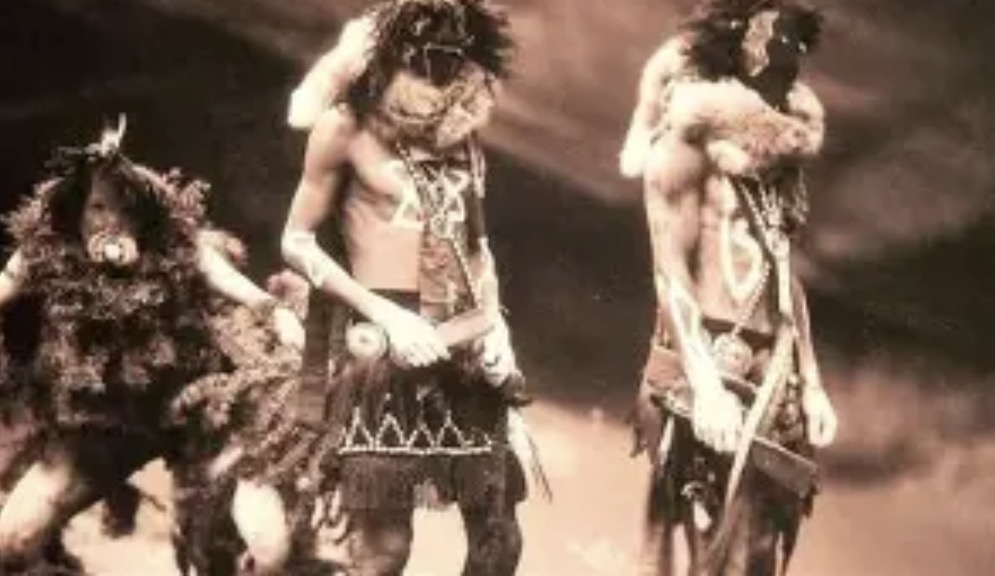
How would someone even become a Skinwalker? Well, based on some research of videos and articles online, it seems that an indigenous individual learns about good and bad magic, yet abuses their knowledge of it. Eventually, they do an unforgivable act against someone close—usually the murder of a parent, sibling, or child. Obviously, the community that they were part of will severely reject them for violating cultural standards and morality.
The term “skin” comes from them wearing the pelt of a predatory animal—coyotes, wolves, etc. This is especially forbidden in Navajo culture. The walker part is a mystery to me, but it is known that they shapeshift into whatever animal they wear. In Navajo Nation, they are called “yee-naaldlooshii” (ye-nal-doe-she) or “one who goes on all fours” (take that translation with a grain of SALT).
They are used as a cautionary tale or an example of misusing powerful spiritual knowledge for evil, greed, or even betrayal. Or to highlight the values of Navajo Americans’ community, such as morality and respect for human beings and the natural world. Many Navajo members choose not to speak about this topic with outsiders, as some believe it is taboo or want to keep foreigners safe; therefore, some information about this may be vague or slightly incorrect.
That’s pretty much everything I learned over the weekend about them, but I don’t want to end my blog on such negativity. Instead, I found some facts and celebrations done by Native Americans. Indigenous American culture is one of my favorite cultures, along with my own and pacific islanders, so why not?
Starting with the Snake Dance from the Hopi people in the northeastern part of Arizona. This celebration is one of the oldest multi-day ceremonies in Native American culture. It was originally a water and rain ceremony where snakes would be labeled as guardians of springs and messengers. They would carry prayers to gods and ancestors and are seen as partners instead of something to worship. I think this perspective of snakes is very beautiful, especially with the Western culture I’ve grown up in, where snakes were seen as evil or demonic. This is still celebrated today and alternates with the Flute Ceremony.
November is known as Native American Heritage Month. Former President George H.W. Bush signed the Public Law 101-343 in 1990. It is recognised for every tribe’s unique identity. language and traditions, as well as promoting cultural preservation. This month is also used to educate other races about the injustices that Native Americans have suffered and still suffer from, as well as Missing and Murdered Indigenous People (MMIP).
The last thing I wanted to highlight in Native American culture is the American Indian Movement (AIM) and its flag. It was founded in July of 1968 in Minneapolis by a group of Ojibwe (Anishinaabe) activists. Its original purpose was to address systemic issues in urban areas. Poverty, police brutality, and discrimination in economic, employment, and court systems. After a few years, AIM was recognized by multiple Indigenous groups because they all suffered from settler colonialism. AIM provided aid to those displaced, monitored police activity, while advocating for legal rights and healthcare. (Kinda similar to the Black Panther Party now that I think about it!!)
That’s all for this blog. Thanks for reading, and take care!!<333

SOURCES!!
Hopi Snake Dance – Legends of America
Native American Heritage Month 2026: November Observance Guide | TheDayOf
National Native American Heritage Month | Indian Affairs
American Indian Movement – Wikipedia

Ughhh I love that you’re debunking such popular misconceptions about skin walkers. More people need to know the real origins and stop believing everything they read on TikTok. I really love the way you seem so passionate about horror, it’s honestly really inspiring and cool.
As an Indigenous American, I appreciate this post as most of the time cryptids originating from Indigenous folk lore gets twisted up in some way and a little history lesson along with it too <33
This is so creepy. Love it though!
ARGHGHGHHDYUFGGH this is so interesting!!!! as always, i learned some new awesome information from your post, thank you for sharing. i’ve always been intrigued by folklores and urban legends as well, but it can be hard to discern between misinformation and things like that sometimes, anyways this is great <3