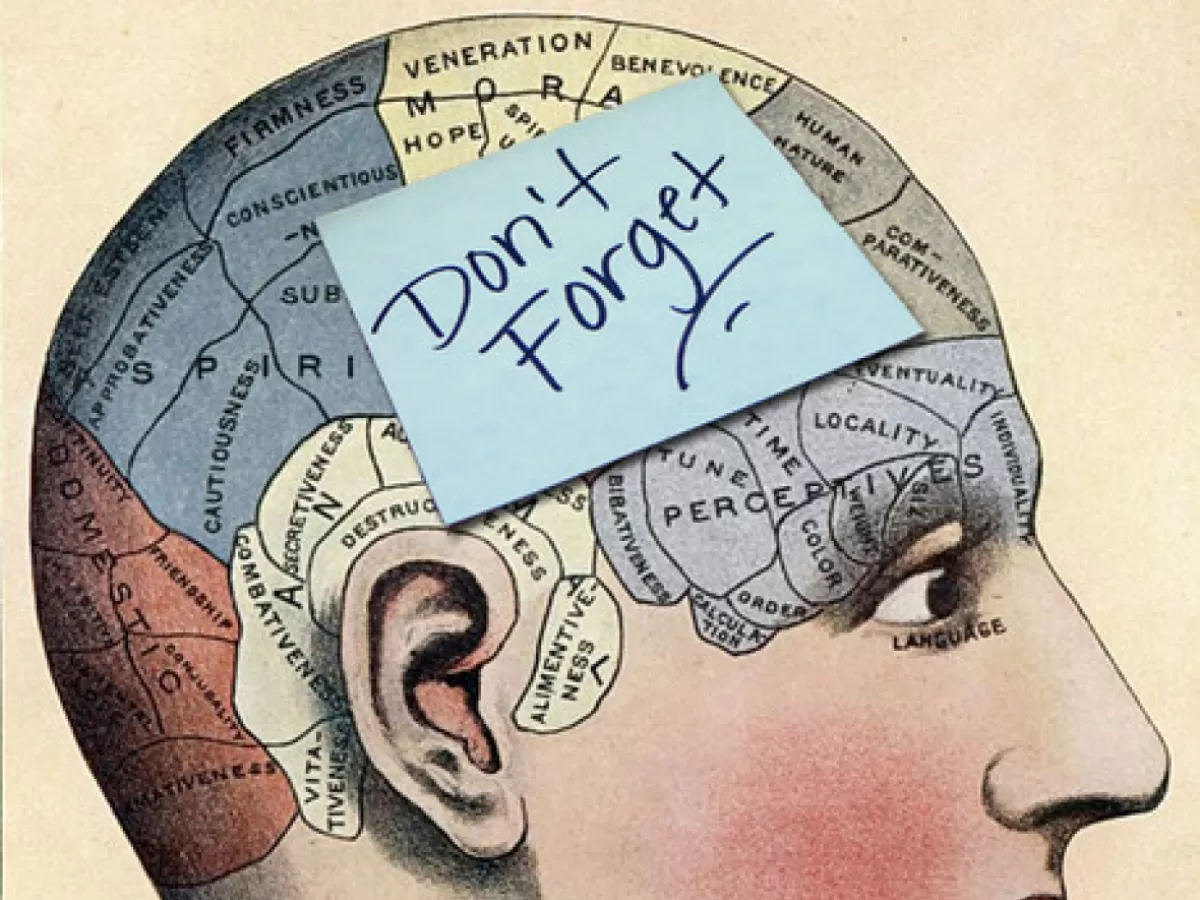
Are you ready for the psychology yap I have for you… 🙂
(I have been reading my psychology books. 😌)
___________________________
The present feels like an active recording, a live archive, but memory is like a story we keep rewriting. We like to believe our minds store events perfectly, what someone said, what we wore, who stood where, but the truth is far messier. Our memories shift, warp, and sometimes betray us. The strangest part? They’re not failing. They’re functioning exactly as designed.
Memory Isn’t a File Cabinet. It’s a Reconstruction.
When we remember something, we aren’t pulling out a file. We’re rebuilding the moment from scratch every single time. Your brain takes fragments, emotions, sensory impressions, expectations and recreates the event.
Think of it like sketching a scene from memory. The lines drift a little. The drawing becomes its own version of the truth because it’s your truth.
This is why two people can witness the same event and swear on their lives that it unfolded differently. Both are convinced. Both are wrong in some way.
Emotions Rewrite What Happened
Moments packed with emotion leave the strongest impressions, but also the most distorted ones.
Fear makes events feel longer.
Embarrassment magnifies tiny details.
Grief blurs time together like wet paint.
Nostalgia softens edges until everything’s a little unreal.
Your brain isn’t trying to deceive you. It’s trying to make sense of the experience. It highlights what mattered most to you emotionally, not what actually happened.
The memory becomes a story shaped by feeling rather than fact.
We Fill in the Gaps Without Noticing
No matter how vivid a moment feels, there are always missing pieces. We don’t record every color, every sound, every exact phrase. So, the brain fills in the blanks automatically.
Sometimes it pulls from:
- our expectations
- similar past events
- things people told us later
- details we wish had happened
You barely notice when your brain “auto-completes” these gaps. The finished memory feels solid and whole, even if half of it was guessed.
Other People’s Stories Infect Our Own
Retelling an event is one of the fastest ways to distort it.
Each time you explain a moment to someone:
- you cut parts
- exaggerate others
- reorder events
- use words that weren’t originally in your head
Over time, the polished version becomes the only version you remember. And when other people tell their version, your memory quietly absorbs their details too.
It’s how a memory becomes a collaboration. This is often why a lot of old folk stories seem so crazy.
Time Gets Rid of What Doesn’t Fit the Narrative
We like our lives to make sense. So, memories evolve to match the story we believe about ourselves.
If you think of yourself as cautious, the risks you once took stand out.
If you think of someone as cruel, your memories of them focus on their worst moments.
If you think of a time as “happier,” the sad parts fade until they’re almost gone.
Memory aligns itself with identity.
So Is Any Memory Real?
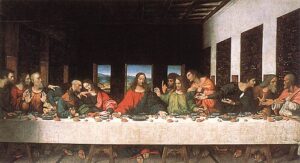
Yes, but not as a photograph. More like a painting touched up again and again. They shift and warp. Leonardo da Vinci’s The Last Supper is a supreme visual example as it has been touched up for hundreds of years to the point its only half the original.
Remembering wrong isn’t a flaw. It’s a sign that your brain is alive, interpreting, learning, and adapting. It means you’re a person who connects events together and tries to make sense of your own story.
In the end, memory isn’t about perfect accuracy.
It’s about meaning.
And meaning changes just like me and you.
