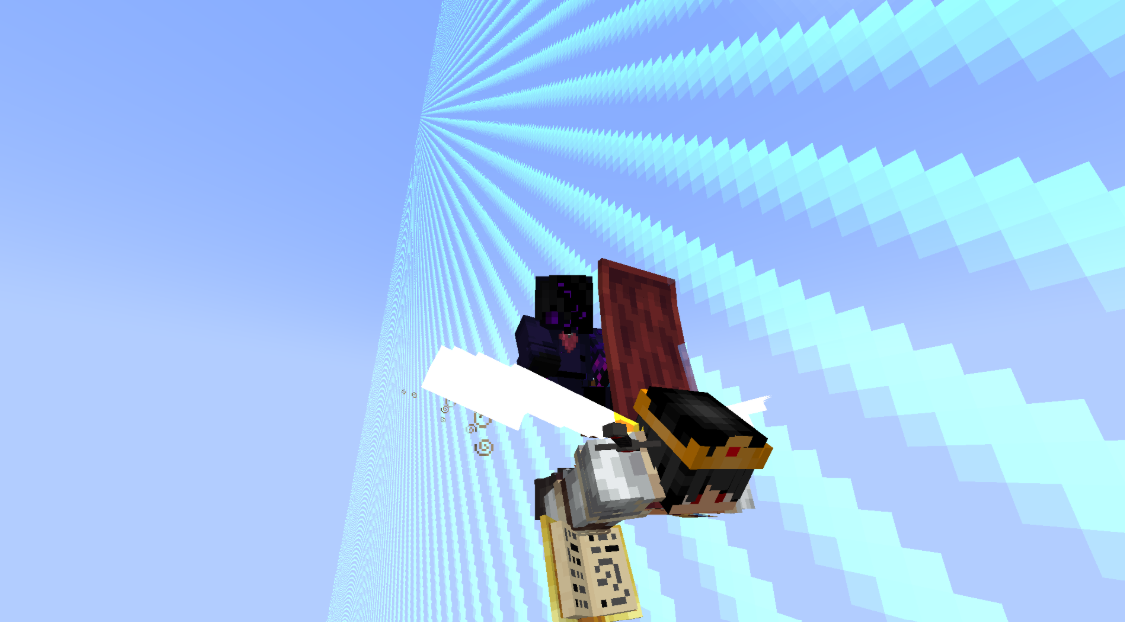
So…I love Minecraft.

There’s something timeless about playing Minecraft, especially when you’re playing with friends. No matter how many new games come out or how much time passes, Minecraft always feels like home. It’s simple.
 
At its core, Minecraft is about freedom. You spawn into a world with nothing but your hands and endless possibilities. You can build a house on a hill, dig a massive underground base, or spend hours exploring caves that seem to stretch on forever. There’s no single “right” way to play, and that’s part of what makes it so special. Some days you feel like mining diamonds. Other days you just want to farm crops, fish by a lake, or terraform an entire mountain because you can. 


But as much as I love solo Minecraft, playing with friends makes it ten times better. A simple survival world becomes a shared adventure. The first night isn’t just about surviving, it’s about everyone cramming into a half-finished dirt house while someone forgot to make torches. Mining trips where someone always falls into lava. Even basic tasks feel more fun when you’re laughing over voice chat the entire time. Building together is one of my favorite parts. One friend starts constructing a castle, another builds a modern mansion next door, and somehow it all becomes part of the same oddly charming village. You end up with a world full of personality because every build reflects the person who made it. Walking through your shared world weeks later feels nostalgic, like flipping through a scrapbook of memories. 

There’s also something special about the unpredictability. Maybe you planned to organize storage today, but instead you end up fighting the Ender Dragon because someone said, “What if we just did it right now?” Maybe a small prank spirals into an ongoing joke that becomes part of your friendship history. Minecraft with friends thrives on these spontaneous moments. 

Even the grind feels lighter together. Gathering resources, clearing land, or traveling thousands of blocks doesn’t feel boring when you’re talking, joking, or planning your next big project. The game becomes a backdrop for conversation. Sometimes it’s not even about what you’re doing. it’s just about hanging out. 

What I love most about playing Minecraft with friends is how it brings people together creatively. It gives you space to collaborate, experiment, and just exist in a world you built side by side. Years later, you might not remember every detail, but you’ll remember the laughter, the late-night sessions, and the internal worlds you created together

Apeirophobia: Turning Endless Spaces Into Pure Terror


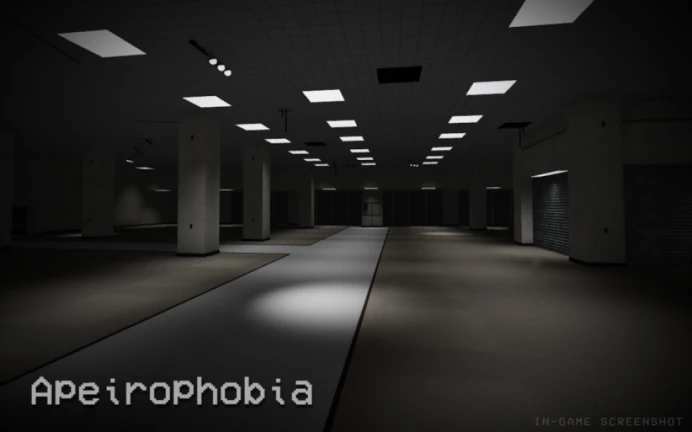
Apeirophobia is one of Roblox’s most unsettling horror experiences, proving that fear doesn’t always come from monsters—it can come from being completely, terrifyingly alone. Inspired by the “Backrooms” urban legend, the game drops players into endless, liminal spaces that feel both familiar and deeply wrong.

From the moment you spawn in, Apeirophobia leans heavily into atmosphere. Yellow-tinted hallways stretch on forever, lights flicker overhead, and the constant hum of fluorescent bulbs fills the silence. There’s no clear direction, no comforting tutorial, and no immediate enemy to fight. Instead, the game lets your imagination do the work, making every corner feel like a threat.

What makes Apeirophobia especially effective is its level design. Each level introduces a new environment with its own mechanics and dangers. Some areas require puzzle-solving, while others demand stealth and quick reactions. The variety keeps players on edge, never fully allowing them to relax or predict what’s coming next. When enemies do appear, they feel earned, appearing after long stretches of tension that make encounters far more intense.

Sound design plays a massive role in the fear factor. Footsteps echo unnaturally, distant noises suggest something moving nearby, and sudden audio changes can send players into instant panic. The game uses sound not just as background noise, but as a warning system that forces players to stay alert at all times.

Multiplayer enhances the experience in a unique way. Playing with friends can make the game slightly easier, but it also amplifies the fear. Getting separated in the maze-like levels is common, and hearing a teammate scream over voice chat before going silent is chilling lol. Cooperation is essential, but safety is never guaranteed.

Apeirophobia stands out among Roblox horror games because it understands pacing. It balances slow, psychological dread with moments of chaos, creating an experience that feels oppressive without becoming overwhelming. It’s not about cheap jump scares, it’s about making players feel lost, watched, and powerless.

For anyone who enjoys psychological horror and atmospheric storytelling, Apeirophobia is one of Roblox’s most memorable nightmares and once you enter, it’s hard to forget the feeling of being trapped in infinity.

My Favorite Genshin Character

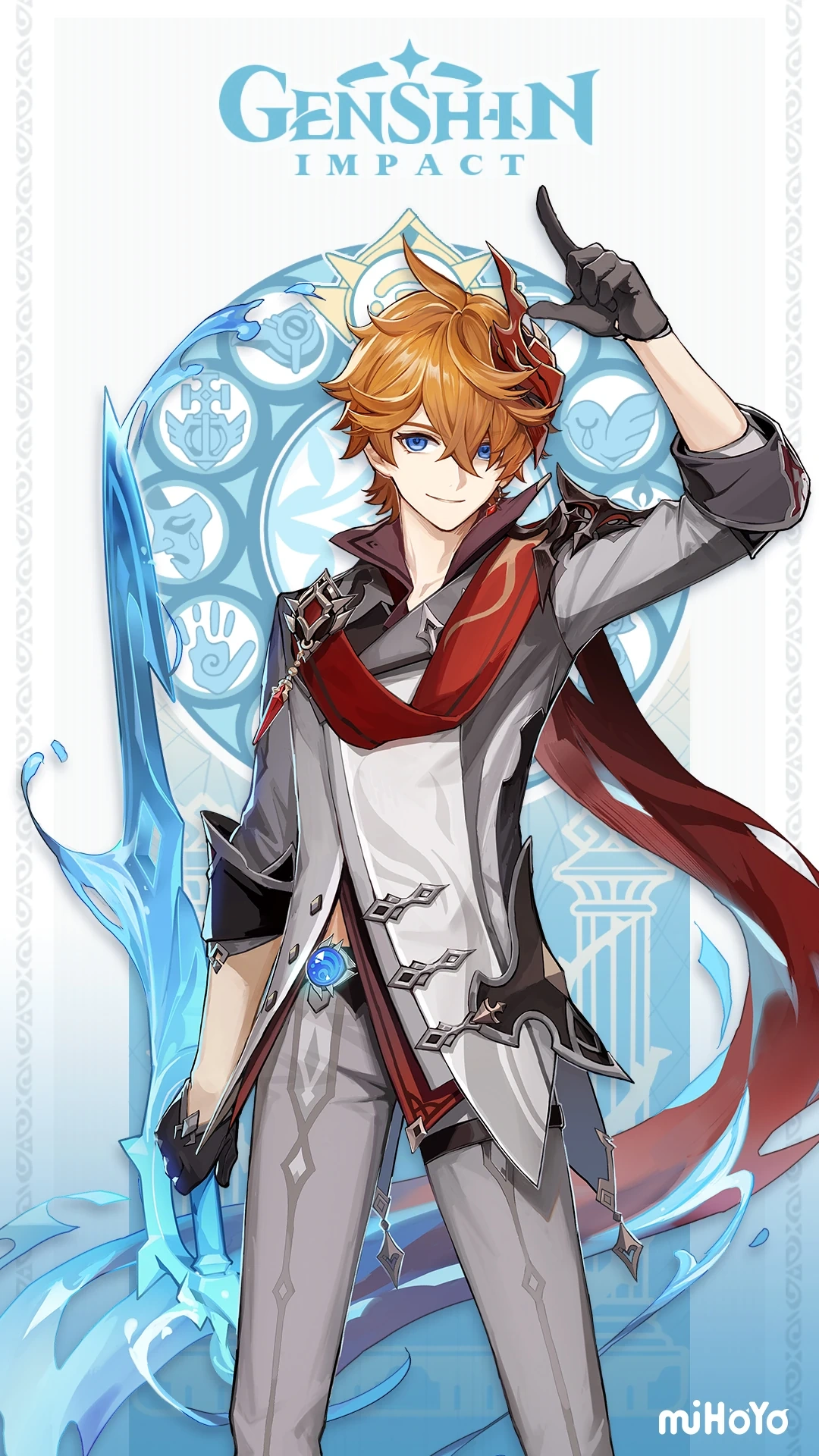
Among the many characters in Genshin Impact none of them compare to Tartaglia, better known by his alias Childe.  

Huh…what’d you say…Favoritism…? What’s THAT.  

As the Eleventh of the Fatui Harbingers, Tartaglia stands right between hero and villain, blending charm with ruthlessness especially in battle. This duality is what makes him one of the most entertaining characters in the game’s ever-expanding world. 

At first Tartaglia doesn’t resemble a traditional antagonist. He’s friendly, confident, and often polite, especially when compared to the more terrifying Fatui figures. Childe was Introduced during the Liyue Archon Quest, Childe presents himself as an ally, helpful, resourceful, and even playful. But beneath that is a man constantly ready for blood and an unrelenting desire to test his strength against powerful foes. 

Tartaglia’s backstory is so important to fully understand him. As a child named Ajax, he fell into the Abyss. There, he learned to survive through combat alone, developing an intense love for fighting. This experience didn’t break him (Even though he was like 8) it sharpened him. He learned from his mentor Skirk (who throws him like a lot). The Abyss gave Tartaglia a thrill for danger and a worldview where strength is the ultimate measure of worth. His loyalty to the Tsaritsa of Snezhnaya and the Fatui stems not from devotion, but from shared ideals centered on power. 

What truly sets Tartaglia apart is his internal conflict. He is fully aware that his love for battle makes him dangerous, yet he also shows genuine care for his family, especially his younger siblings. His role as a devoted older brother contrasts sharply with his willingness to unleash destruction. One of the reasons he joined the Fatui is because they promised to take care of his family. This humanizes him, reminding players that he is not evil for evil’s sake, but driven by instincts and responsibilities. (Aka, he does no wrong and is just a lil guy) 

In gameplay perspective Tartaglia mirrors this dual nature perfectly. As a Hydro DPS character, he is unique in his ability to switch between ranged bow combat and melee attacks using blades. This stance-switching mechanic makes him both exhilarating and hard to play, it rewards players who enjoy fast-paced, high-risk combat.  

Visually Childe matches his personality. His flowing scarf, sharp gaze, and confident posture all reinforce that he is always moving forward like a river. Even his boss fight reflects his character arc, escalating in intensity as he reveals more of his true power and abyssal effect. 

Tartaglia is more than just a charismatic antagonist. He represents Genshin Impact’s strength in character writing, layered, morally complex, and emotionally grounded. Whether you admire his confidence, fear his unpredictability, or sympathize with his  struggle, one thing is certain: hes the best character and I won’t hear otherwise… 

this was one of the easier blogs to write…i wonder if i should just make the rest of my blogs about my favorite characters…

Why We Remember Stuff WRONG 

Are you ready for the psychology yap I have for you… 🙂

(I have been reading my psychology books. 😌)

___________________________

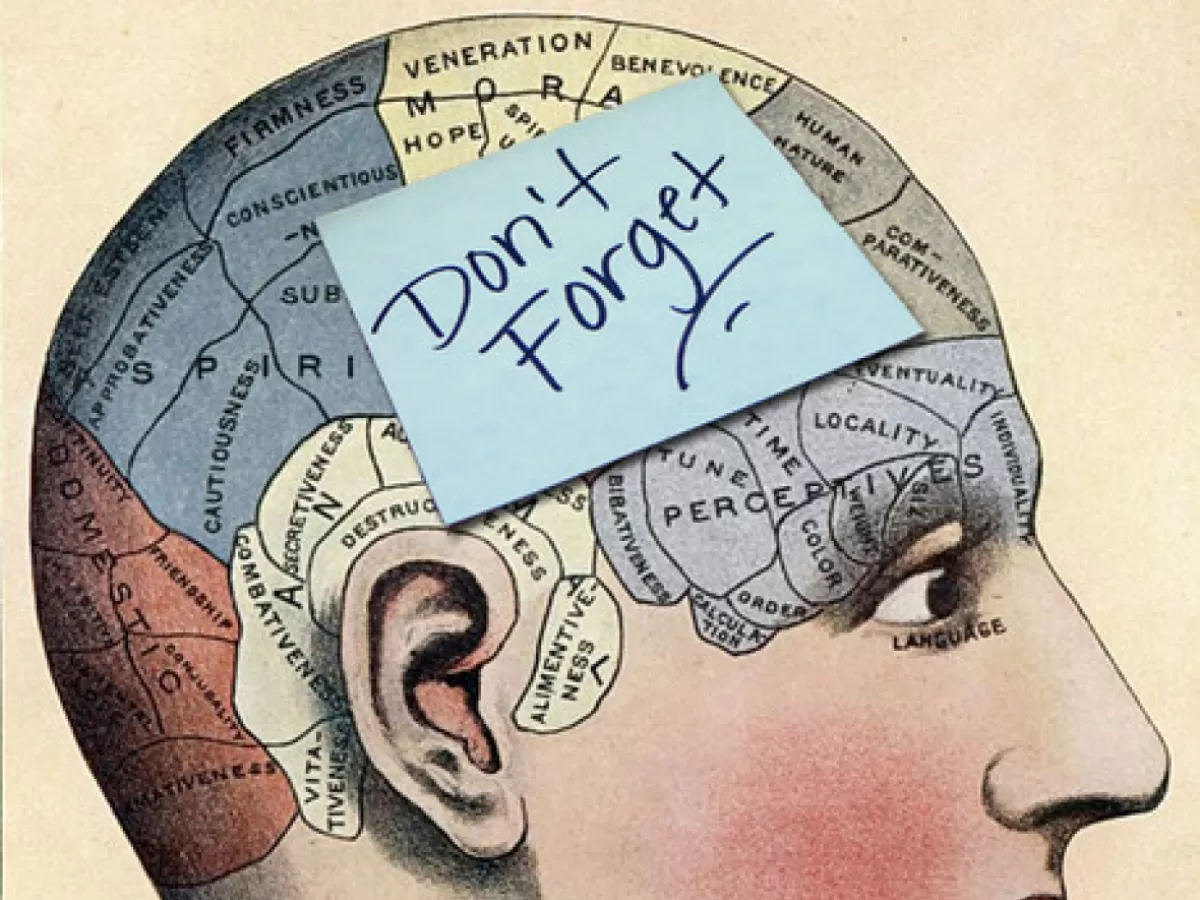
The present feels like an active recording, a live archive, but memory is like a story we keep rewriting. We like to believe our minds store events perfectly, what someone said, what we wore, who stood where, but the truth is far messier. Our memories shift, warp, and sometimes betray us. The strangest part? They’re not failing. They’re functioning exactly as designed. 

Memory Isn’t a File Cabinet. It’s a Reconstruction. 

When we remember something, we aren’t pulling out a file. We’re rebuilding the moment from scratch every single time. Your brain takes fragments, emotions, sensory impressions, expectations and recreates the event. 

Think of it like sketching a scene from memory. The lines drift a little. The drawing becomes its own version of the truth because it’s your truth. 

This is why two people can witness the same event and swear on their lives that it unfolded differently. Both are convinced. Both are wrong in some way. 

Emotions Rewrite What Happened 

Moments packed with emotion leave the strongest impressions, but also the most distorted ones. 

Fear makes events feel longer. 
Embarrassment magnifies tiny details. 
Grief blurs time together like wet paint. 
Nostalgia softens edges until everything’s a little unreal. 

Your brain isn’t trying to deceive you. It’s trying to make sense of the experience. It highlights what mattered most to you emotionally, not what actually happened. 

The memory becomes a story shaped by feeling rather than fact. 

We Fill in the Gaps Without Noticing 

No matter how vivid a moment feels, there are always missing pieces. We don’t record every color, every sound, every exact phrase. So, the brain fills in the blanks automatically. 

Sometimes it pulls from: 

  • our expectations 
  • similar past events 
  • things people told us later 
  • details we wish had happened 

You barely notice when your brain “auto-completes” these gaps. The finished memory feels solid and whole, even if half of it was guessed. 

Other People’s Stories Infect Our Own 

Retelling an event is one of the fastest ways to distort it. 

Each time you explain a moment to someone: 

  • you cut parts 
  • exaggerate others 
  • reorder events 
  • use words that weren’t originally in your head 

Over time, the polished version becomes the only version you remember. And when other people tell their version, your memory quietly absorbs their details too. 

It’s how a memory becomes a collaboration. This is often why a lot of old folk stories seem so crazy. 

Time Gets Rid of What Doesn’t Fit the Narrative 

We like our lives to make sense. So, memories evolve to match the story we believe about ourselves. 

If you think of yourself as cautious, the risks you once took stand out. 
If you think of someone as cruel, your memories of them focus on their worst moments. 
If you think of a time as “happier,” the sad parts fade until they’re almost gone. 

Memory aligns itself with identity. 

So Is Any Memory Real? 

Yes, but not as a photograph. More like a painting touched up again and again. They shift and warp. Leonardo da Vinci’s The Last Supper is a supreme visual example as it has been touched up for hundreds of years to the point its only half the original.

Remembering wrong isn’t a flaw. It’s a sign that your brain is alive, interpreting, learning, and adapting. It means you’re a person who connects events together and tries to make sense of your own story. 

In the end, memory isn’t about perfect accuracy. 
It’s about meaning. 

And meaning changes just like me and you. 


A Timeline of The Ninth Wave’s Albums.

Welcome to my hyperfixation land. ⭐⭐⭐⭐❤️❤️🎉🎉

Glasgow’s The Ninth Wave is a distinct niche in the modern post-punk/new-wave world. Their story is best told through the evolution of their records; each album marks a new emotional journey. 


2019: Infancy 

The band’s debut full-length album Infancy dropped on 15 November 2019, following a two-part rollout. Infancy was a bold statement from a young band exploring identity, heartbreak, and self-discovery. With its reverb-guitars, synths, and emotionally honest lyrics, the album earned critical acclaim and was shortlisted for the Scottish Album of the Year.  
Tracks like “Used to Be Yours” — led by bassist Millie Kidd — showcased their capacity to combine vulnerability and moody sonic textures.  Fun fact when filming a music video for one of the songs, they had to issue a public warning because they were throwing a dummy off a roof. This album also earned a nomination for the Scottish Album of the Year. 


2020: Happy Days! (EP) 

Between their two studio albums, The Ninth Wave released an EP titled Happy Days! in 2020.  
Though shorter than a full album, this EP continued to deepen the emotional themes the band is known for. Its lead single “Everything Will Be Fine” struck a bittersweet chord: the optimism in the chorus paired with the darkness in the production felt both cathartic and unsettling.  
The EP was well-received, also earning a nomination for the Scottish Album of the Year.  


2022: Heavy Like a Headache 

Their second full-length, Heavy Like a Headache, arrived on 11 March 2022 via Distiller Records. This record represented a huge creative and emotional development in their music. Produced by the band themselves and mixed by Max Heyes. This album dives into complex themes like grief, anxiety, loneliness, and anger. 

Since I need more words for this word count I’ll talk a bit about a song in this one. 
“What Makes You a Man” tackles consent and shame with raw honesty, combining harsh post-punk instrumentation with deeply personal lyrics: 

“I don’t want to blame myself for the degrading actions of others anymore … I want to stand up to this shame … I’m just the one carrying it.” This song can be spotted in the Umbrella Academy season 3, that’s actually how I found this band  <3

Shortly after Heavy Like a Headache dropped, the band announced an indefinite hiatus in 2022 and played what they described as a “possibly last ever” gig that March.

They did one singular Gig in May 2024 but there has been nothing since. 

—————————————-

Looking at The Ninth Wave’s discography in chronological order highlights their artistic growth: from youthful longing in Infancy, through uneasy hope on the Happy Days! EP, to broader emotional reckoning in Heavy Like a Headache. The albums they left behind stand as a testament to their emotional courage, musical ambition, and refusal to be simple or safe in the music industry. they still inspire people like me 🙂 

pls give them a listen if you like punk rock….im like the only fan, REALLY like I’m the ONLY one…I’ve searched FAR AND WIDE…

Poisonous Plants 

Nature is full of beauty—lush greenery, vibrant flowers, and aromatic herbs—but some of the most stunning plants conceal a deadly secret. Poisonous plants can be found in gardens, forests, and even inside your house. While many of these plants have fascinating histories and medicinal properties, they can also cause severe illness—or worse—if handled or ingested improperly. 

One of the most infamous toxic plants is the Oleander. With its elegant pink or white blossoms, oleander is often used as an decorative shrub. However, every part of the plant—from its leaves to its sap—is poisonous. Ingesting even a SMALL amount can cause heart irregularities, nausea, and in extreme cases, death. Despite its danger, oleander remains popular for its beauty.

Foxglove (Digitalis purpurea), Its tall stalks of bell-shaped flowers add charm to cottage gardens, yet the plant contains powerful compunds. Historically, these compounds were used to make a heart medication, but in unregulated doses, they can cause vomiting, confusion, and fatal heart problems. Foxglove demonstrates how thin the line between poison and medicine can be. 

Nightshade (Atropa belladonna), also known as “deadly nightshade,” has a dark and storied reputation. In ancient times, women used drops made from its berries to dilate their pupils, which was considered beautiful—hence the name belladonna, meaning “beautiful lady.” Unfortunately, the same alkaloids that cause this effect can also lead to paralysis, hallucinations, and death. Its infamy has earned it a place in folklore and witchcraft legends for centuries. 

Even popular and familiar plants can pose risks. Lily of the Valley, often associated with purity and springtime, contains toxins that can disrupt heart function. Philodendrons, common houseplants, contain calcium oxalate crystals that can irritate the mouth and throat if chewed. Rhubarb leaves, though attached to a beloved pie ingredient, are laced with oxalic acid and can be harmful in large amounts. 

Understanding which plants are poisonous is crucial! especially for pet owners and parents of young children. Many cases of accidental poisoning occur simply because someone didn’t realize a beautiful flower could be harmful. 

In the end, poisonous plants remind us of nature’s dual nature—both nurturing and dangerous. Their elegance conceals potency, their beauty a perfect disguise. Treat them with respect and caution, and they’ll remain what they are meant to be, mesmerizing marvels of the natural world. 

V Flower: The Rebel Voice of Vocaloid 


V Flower, often stylized as v4 flower or simply Flower, stands out in the Vocaloid world as one of the most distinctive virtual singers. Released by Yamaha and developed by Gynoid Co., Flower made their debut in 2014 for the Vocaloid 3 engine, later receiving an upgraded Vocaloid 4 version in 2015. What sets Flower apart from other Vocaloids is their powerful, androgynous voice and their association with high-energy rock and alternative genres—making them an icon of defiance and individuality within the Vocaloid community. 


Flower’s design reflects their persona: bold, sharp, and expressive. Their original appearance features white hair with black streaks, a dark, punk-inspired outfit, and a choker that emphasizes their rebellious aesthetic. Later designs, especially for their V4 and CeVIO AI releases, evolved their image into a more futuristic and nonbinary style. This design evolution mirrors their vocal versatility. 


 Unlike other Vocaloid’s designed to sound cute or traditionally feminine, Flower’s voice sits in a gender-neutral range, filled with roughness and passion. This unique tune has made their particularly popular among producers who want to convey deep emotional intensity or themes of frustration and self-expression. Their voice captures both the beauty and chaos of teenage angst, resonating with listeners who crave authenticity over perfection. 


Flower gained widespread recognition through popular songs on Niconico and YouTube, such as “Error” by niki, “Goodbye Declaration” by Chinozo, and “Doll” by Niru Kajitsu, “Lower ones eyes” by Lanndo. These songs highlight their ability to convey both power and vulnerability, with lyrics often exploring identity, loss, and rebellion. “Error,” in particular, became a defining anthem for their—its mix of despair and beauty perfectly encapsulates what makes Flower special. Many fans connect with the emotional depth Their voice brings. 


Beyond their sound, Flower has become a symbol of androgyny and individuality. Their design and vocal tone challenge gender norms, inspiring a wide range of interpretations and fan art that celebrate their fluid identity. As Vocaloid technology continues to evolve, Flower remains a beloved figure for their raw emotion, expressive energy, and fearless voice. They represent not just music, but the idea that even artificial voices can express most human feelings. 


Flower is a big inspiration for many people, in many ways. Gender identity, musical charm, etc. Flower is a beloved character in the Vocaloid world. Flower is discovered by someone new every day and then they are introduced to a whole new world. 

How Music Can Boost Your Mood and Mind.

How Music Can Boost Your Mood and Mind 


Ever notice how a good song can instantly make you feel better? Whether it’s an upbeat tune that gets you dancing or a soothing melody that helps you unwind, music has a strong impact on the brain In fact, research shows that music is not just entertainment; it can actually improve your mental health.  

 
Here’s how music can help your mood and mind: 


Reduces Stress and Anxiety Listening to calming music can lower your heart rate and soothe your nervous system. That’s why soft, slow music is often used during meditation or yoga. It helps your body relax and allows your mind to calm down. 


Boosts Your Mood When you hear a song you love, your brain releases dopamine, a feel-good chemical. This is why music can make you feel happier, more energized, or even emotional. It acts like a natural mood enhancer. 


Helps You Focus Background music, especially instrumental tracks, can aid concentration. Some people find that playing soft music while working or studying helps them stay focused and block out distractions. 


Improves Memory Music activates many areas of the brain, including those related to memory. That’s why an old song can bring back specific moments or feelings. Some studies also show that music therapy helps people with Alzheimer’s recall memories. 


Inspires Creativity Music can create an atmosphere for creativity. Whether you’re writing, painting, or brainstorming, the right playlist can help you think more freely and express yourself better. 


Music also brings people together. Sharing songs with friends, attending concerts, or playing instruments in a group can strengthen social bonds and create lasting memories. These shared musical experiences foster connection, reduce feelings of loneliness, and support emotional well-being, reminding us we’re not alone in how we feel. 


How to Use Music in Your Daily Life: – Start your day with an upbeat playlist – Play calm music while winding down at night – Use music to stay motivated during workouts – Try lo-fi or classical music for studying or working – Create playlists for different moods or tasks  
 

The best part? There’s no “right” kind of music. Everyone responds to different sounds. What matters is how it makes you feel. So the next time you’re feeling down, stressed, or stuck, try turning on some music. Whether you sing along, dance around, or just listen quietly, music can reach your soul and make everything feel a little bit better. 

My Top 10 Vocaloid songs

  1. Steampianst- “The Umbrella Salesman”

So low because it’s kind of sad and more of a storytelling. GENUINELY SO HAUNTING, it’s all about an umbrella salesman who says his umbrellas are magic levitating umbrellas, but nobody buys them. So, on a rainy day he goes to the top of a tall building and jumps off with the umbrella. Let’s just say he certainly ends up above in the clouds…non magically… 

  1. R.I.P- “Language of the Lost”

AAHH very upbeat considering it’s about a confused identity and goes through a range of emotions, IT HAS SUCH A HAPPY ENDING where the Teto (the Vocaloid singing) realizes it doesn’t matter what she is and only that she’s her and she should love that. 

  1. Deco*27“Monitoring”

Pov of a mentally ill person on the person who is checking in on them outside, Lowkey a BANGER plus its cool when you get little flashes of reality that aren’t delusions. 

  1. Paseri Onuma- “Egoist”

About WELL an egoistic person believing they are better than the things around them to an EXTREME point.  

  1. Kikuo – “O Light”

A person in a dream BEGGING to wake up, the character seems to be just stuck in an endless cycle of delusions. 

  1. 32ki- “Mesmerizer”

The two characters are basically hypnotized into a sense of calm while they were looking for an escape. 

  1. Abu-Se-Ken- “Flowers, Mountains & Funerals”

AHHH Kinda hard to make out the meaning but from what i get i believe its about living on after someone dies. It has really cool and climatic instrumentals 

  1. Abu-Se-Ken-  “Want to Be Cremated”

A deep reflection on cremation, delving into grief and what comes after 

  1. Lanndo- “Lower one’s eyes”

Narrated from the perspective of a maid who feels conflict in her relationship with her teacher (a “witch”). She admires the witch but simultaneously harbors jealousy, guilt, and fear. Driven by her insecurities and longing, she betrays the witch—this betrayal leads to the witch’s execution. The maid wrestles with remorse and the weight of her own decisions. (TLDR: doomed yuri)

  1. FLAVOR FOLEY- “Spoken For”

The song follows an idol who feels trapped in her career. Her words, image, and actions are all controlled by others, leaving her with no personal freedom. As she performs, the pressure of constant expectations eats away at her identity. She struggles with exhaustion, self-doubt, and isolation, realizing that everything she presents to the world is scripted and “spoken for.”  

The Nostalgia of Warrior Cats

For so many people (me included), Warrior Cats wasn’t just a series—it was a gateway into imagination, friendships, and character writing. Whether discovered on a library shelf or passed along by a friend, the series left a mark on so many across around the world. Looking back, the nostalgia of Warrior Cats is about more than the cats that run. It’s about the experience of growing up with them. 

Opening the first book, Into the Wild, felt like stepping into a completely new world hidden within the ordinary forest. The idea that cats could have clans, rules, leaders, and destinies made the real world itself make more sense. I remember reading late at night under the covers, sneaking in just one more chapter, desperate to know what would happen to our orane main character or who would die next. 

Beyond the stories, Warrior Cats was a huge community. Online forums, fan fiction, roleplay, and fan art were everywhere you looked. For countless readers, creating their own original characters and imagining new clan adventures was just as exciting as reading the books. It was one of the first fandom experiences I experienced, teaching me how to collaborate, share, and create in a world that felt like my own. That creative outlet is a huge reason why I am the writer i am now. 

Focusing back in on the books, Warrior Cats never shied away from serious themes—loss, loyalty, betrayal, and hope. Characters died, friendships fell apart, leaders made hard decisions, and young cats had to grow up quickly due to war. For young readers such as myself, these stories were some of their first introductions to complex emotions and moral choices. Looking back, those moments hit differently now, but the lessons they carried stick with me. 

Rereading the series today feels like visiting old friends. The names—Firestar, Graystripe, Bluestar, Tallstar  (Best character)—bring back a flood of memories. Even the familiar maps of the forest or the rules of the Warrior Code feel comforting, like revisiting a childhood neighborhood. It’s not just about cats in clans; it’s about remembering a time in life when the world felt bigger and every story carried endless possibilities. 

The nostalgia of Warrior Cats lives on because it was more than just a set of books. It was an era of exploration, creativity, and connection for me and many others. For those who grew up with the series, flipping through its pages today is like stepping back into the forest—a reminder of who we were, and how far we’ve come. 


There WILL be a blog on “Tallstar’s Revenge” at SOME point because how can i NOT talk about the best character and most GAY cat.

Here’s some 5 minute fanart of one of the cats in the books.